Impact on Humanity - protect frogs to protect ourselves
The amphibian extinction Crisis has far-reaching consequences for human societies and ecosystems. Amphibians play crucial roles in maintaining environmental balance and controlling pests populations.
The Food Web Connection
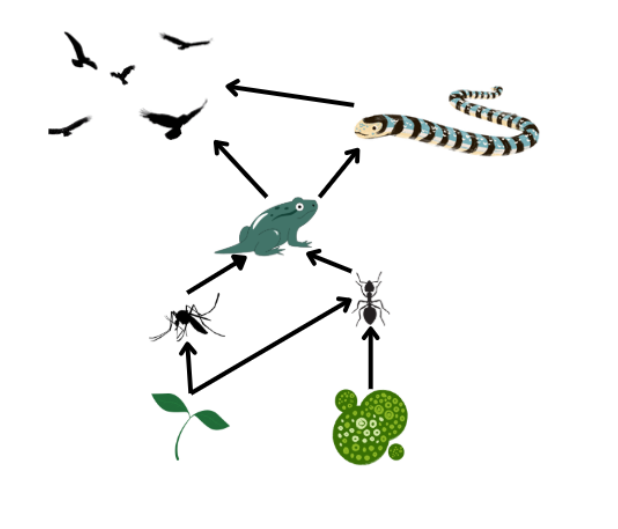
- Plants and Algae: The foundation of the ecosystem, providing food for various insects.
- Insects: Flies, ants and mosquitoes feed on plants and algae
- Frogs: These frogs feed on the insects, helping to keep their numbers in check.
- Predators of the Frogs: Snakes, birds and small mammals are common predators of frogs
In rain forests of Central America, specifically in parts of Panama and Costa Rica, the Harlequin frog is crucial in keeping its ecosystem in balance. Frogs are vital for their food web, ensuring a balance in biodiversity and upholding their niches. They are important for maintaining the populations of insects, such as mosquitoes. The loss in these frogs would severely impact disease control, subsequently affecting human health and wellbeing. Recognizing these linkages is important in driving conservation. A good example in illustrating the role frogs hold is the Harlequin frogs.
The Harlequin Frog
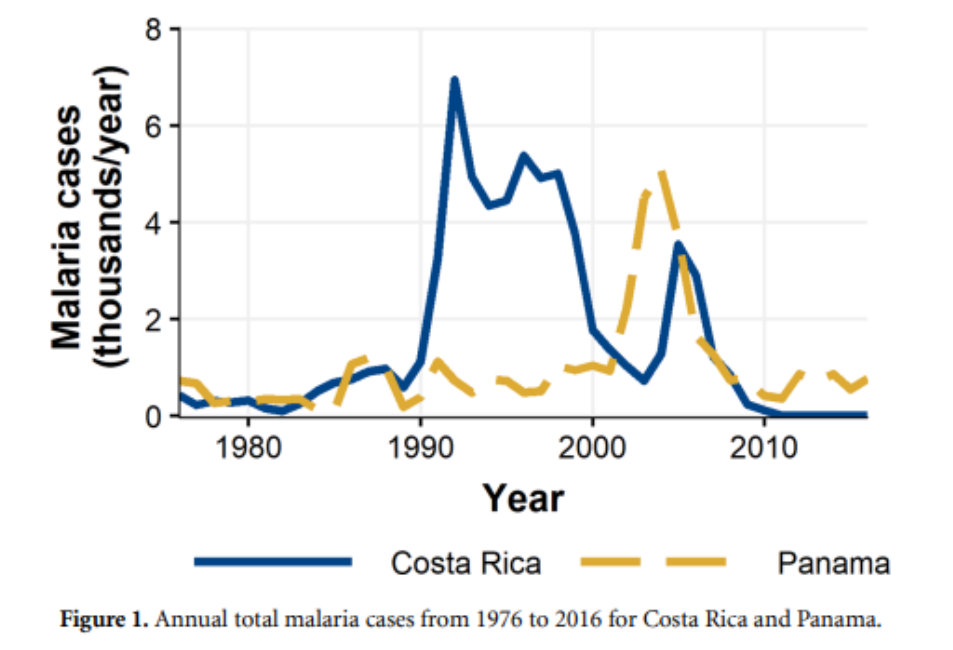
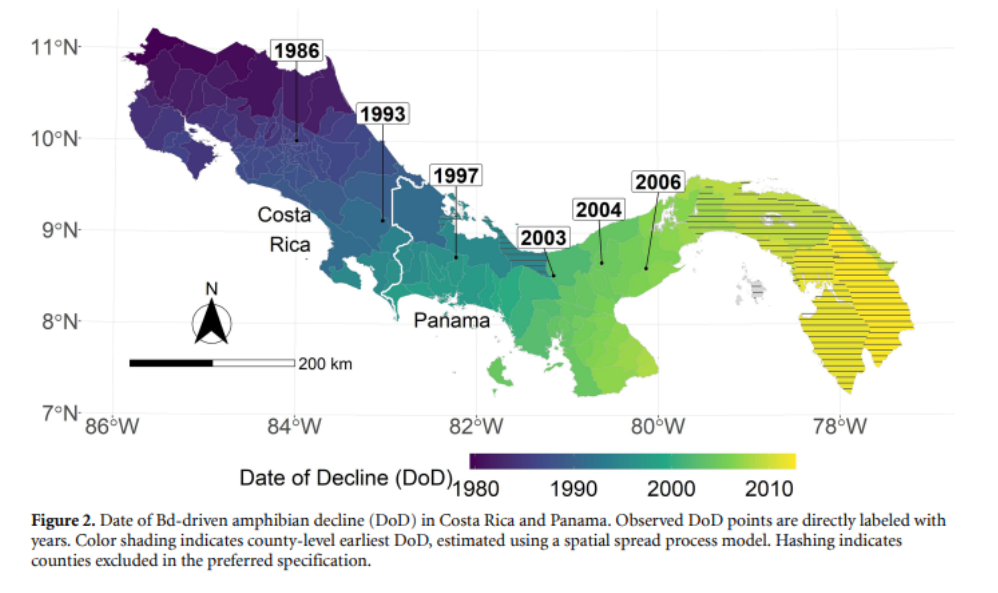
The Harlequin frog, a species native to Central America, has faced severe population declines, with over 90% disappearing across Costa Rica and Panama due to the Bd fungus. These frogs are natural predators of mosquitoes, so as their numbers dropped, mosquito populations surged. This increase in mosquitoes directly contributed to a rise in malaria cases in the region during the 1990s and 2000s, right when the Harlequin frogs were being wiped out. The effects of this amphibian decline show how deeply ecosystems are interconnected and how the loss of one species can have a profound impact on both the environment and human health.
Impact on Mosquito Populations
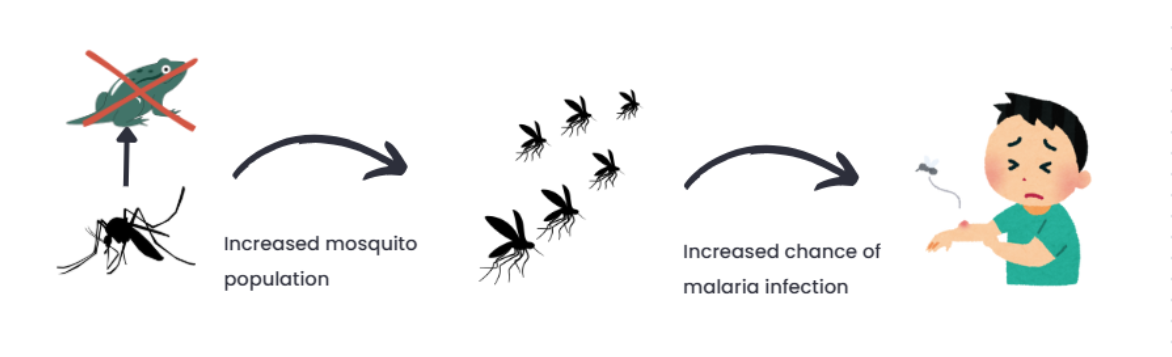
This chain reaction – frogs die off, mosquitoes proliferate, humans get sick – shows how the fate of wildlife and humans is closely intertwined. Frogs might seem distant from our lives, but their wellbeing can safeguard our wellbeing